
BUSINESS & ECONOMY
BREAKING
BOZ Cuts Monetary Policy Rate to 13.25 Percent as Inflation Eases
The Bank of Zambia (BOZ) has reduced the Monetary Policy Rate by 25 basis points to 13.25 percent following a significant decline in inflation and expectations of a favourable maize harvest this year.
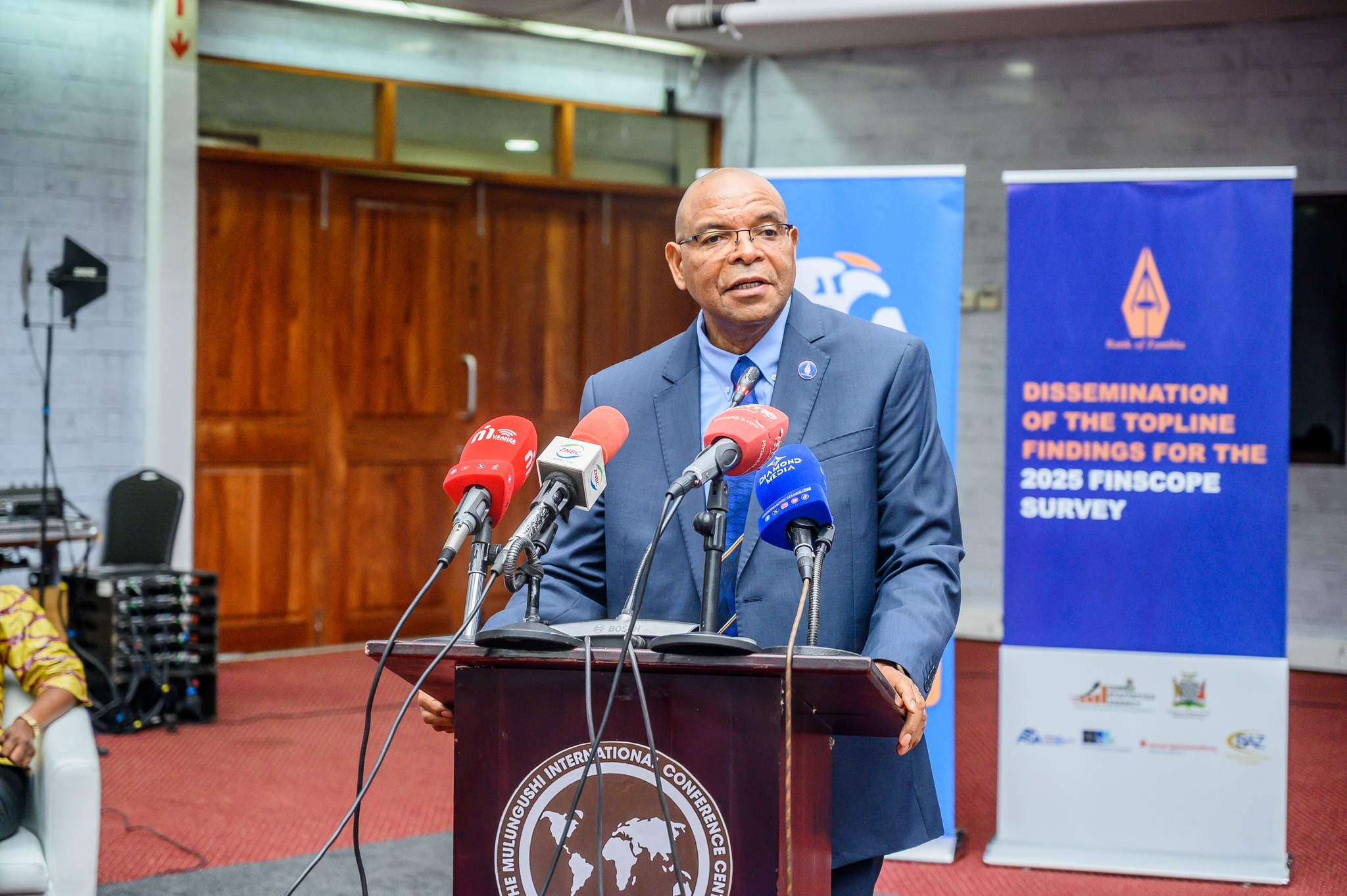
Speaking during the Monetary Policy Rate press briefing on Wednesday, BOZ Governor Dr Denny Kalyalya said the Monetary Policy Committee (MPC), during its meeting held from May 11 to 12, 2026, resolved to cautiously ease the policy rate in response to improving economic conditions.
Dr Kalyalya said the decision was influenced by the anticipated bumper maize harvest in the current crop marketing season and the relative stability of the Kwacha against the United States dollar.
“At its meeting held on May 11-12, 2026, the Monetary Policy Committee decided to reduce the Monetary Policy Rate by 25 basis points to 13.25 percent,” Dr Kalyalya said.
He explained that although the favourable harvest outlook and exchange rate stability were expected to support a lower inflation trajectory within the target range of 6 to 8 percent, the committee remained cautious due to global uncertainties, particularly the ongoing conflict in the Middle East.
“Although these factors are strongly supportive of a lower inflation path anchored within the 6-8 percent target band, the Committee judged that the upside risks and uncertainty associated with the Middle East conflict warranted a cautious adjustment to the Policy Rate,” he said.
Meanwhile, inflation sharply declined to 7.1 percent in March 2026 from 11.2 percent recorded in December 2025 before easing further to 6.8 percent in April, placing it comfortably within the BOZ target band.
Dr Kalyalya said inflation averaged 8.0 percent in the first quarter of 2026 compared to 11.3 percent in the final quarter of 2025.
He attributed the decline mainly to lower maize prices and the appreciation of the Kwacha against the US dollar.
The BOZ Governor further projected that inflation would remain stable within the target range over the forecast period, averaging 6.8 percent in 2026 before moderating further to 6.1 percent in 2027.
However, Dr Kalyalya expressed concern over the conflict in the Middle East, noting that rising global crude oil prices had already pushed up domestic fuel pump prices.
He noted that Government intervention through tax relief measures had helped cushion consumers from steeper fuel price increases.
“The fuel prices could have been higher than they currently are had it not been for the tax relief that Government has provided, notably the suspension of excise duty and zero-rating of value added tax on petroleum products for three months,” said Dr Kalyalya.
No comments yet. Be the first to comment!